"Our Power, Our Planet"
On the occasion of Earth Day 2026, LIGHTS (Learning in Geography, Humanities, Technology and Science) organized a series of initiatives to promote environmental awareness and sustainable action under the global theme "Our Power, Our Planet."
As part of the celebrations, LIGHTS, with the logo support of the Ministry of Earth Sciences, conducted a large-scale outreach programme in selected government-aided schools, where around 2,000 Earth Day pledge cards were distributed among students. The initiative aimed to encourage young learners to adopt environmentally responsible practices and strengthen awareness about sustainability and climate action.
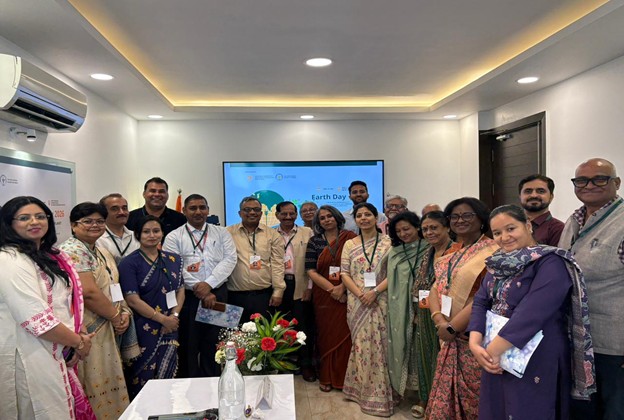
In continuation of the observance, LIGHTS also organized a special Earth Day event at the LIGHTS Secretariat, New Delhi, in collaboration with the Geological Society of India (Delhi Chapter), with partial support from EHS Guru Sustainable Solutions Pvt. Ltd. The programme brought together academicians, researchers, and experts for discussions on climate change, renewable energy, environmental stewardship, and sustainable development.
Through these initiatives, LIGHTS reaffirmed its commitment to environmental awareness, community engagement, and promoting informed dialogue on sustainability for a better future.

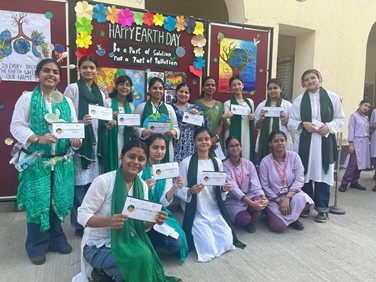
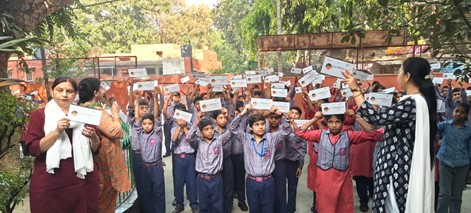
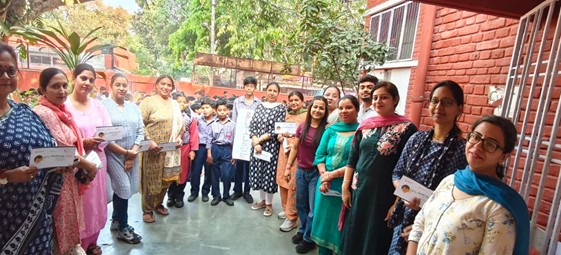
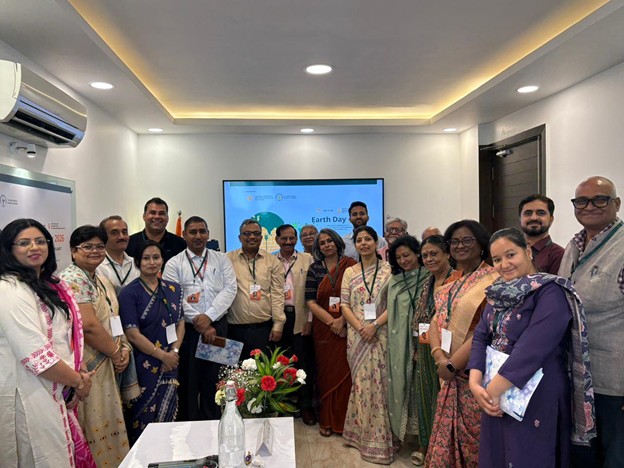
Earth Day 2026 – "Our Power, Our Planet"
Date: 22 April 2026 | Venue: LIGHTS Secretariat, New Delhi
The event commenced with a warm welcome by Dr. R. Basker, who set the context for the programme and greeted all dignitaries and participants.
Chairperson, Geological Society of India, Regional Centre Delhi

The session commenced with the Welcome Address by Dr. R. Baskar, who warmly greeted all dignitaries, experts, and participants, emphasizing the importance of collective engagement on Earth Day. He expressed sincere gratitude to Dr. Sulagna Chattopadhyay and the LIGHTS team for their initiative and collaboration, and appreciated the organizing team for the smooth conduct of the programme. He introduced the plenary speaker, Prof. Dibyendu Maiti, highlighting his work at the intersection of economics, climate change, and industrialization. Dr. Baskar underscored that Earth Day must go beyond symbolism and be reflected in everyday sustainable practices. He stressed the responsibility of the academic community in shaping knowledge, guiding students, and contributing to policy, while also calling for alignment of research and education with climate priorities, SDGs, and NEP 2020. He raised concerns about whether institutions are practicing sustainability within campuses and encouraged open, critical, and constructive discussions, along with the documentation of key recommendations for wider dissemination.

Following the welcome address, Prof. B. Rupini delivered her remarks by extending warm greetings on the occasion of Earth Day and expressing gratitude to the organizers. She introduced the theme "Our Power, Our Planet" and connected it with the national vision of Viksit Bharat 2047, emphasizing the need for thoughtful reflection and action. She highlighted that the present decade is critical, as decisions related to renewable energy, plastic consumption, and biodiversity conservation will determine the quality of life for future generations, underscoring the essence of sustainability as both a concept and a practice.
She reflected on evolving global economic classifications and stressed the importance of honestly assessing India's developmental trajectory. While acknowledging targets such as achieving a high GDP, she cautioned against a "growth at any cost" approach, advocating instead for "growth within limits" that balances economic progress with environmental protection. She emphasized the need for a paradigm shift towards a green economy, including the adoption of renewable energy such as green hydrogen, promotion of circular economy practices, and creation of green jobs supported by skill development for the younger generation.
Prof. Rupini also pointed out that while policies and frameworks exist, gaps remain in their effective implementation. She highlighted the importance of considering broader development indicators such as the Human Development Index (HDI), alongside GDP and GNI, to ensure holistic progress. Stressing the need for structural and mindset changes, she called for integrating sustainability into all aspects of life and education. She emphasized that the Earth is not inherited from ancestors but borrowed from future generations, and that sustainability is a continuous, ongoing responsibility requiring collective commitment.
Delhi School of Economics

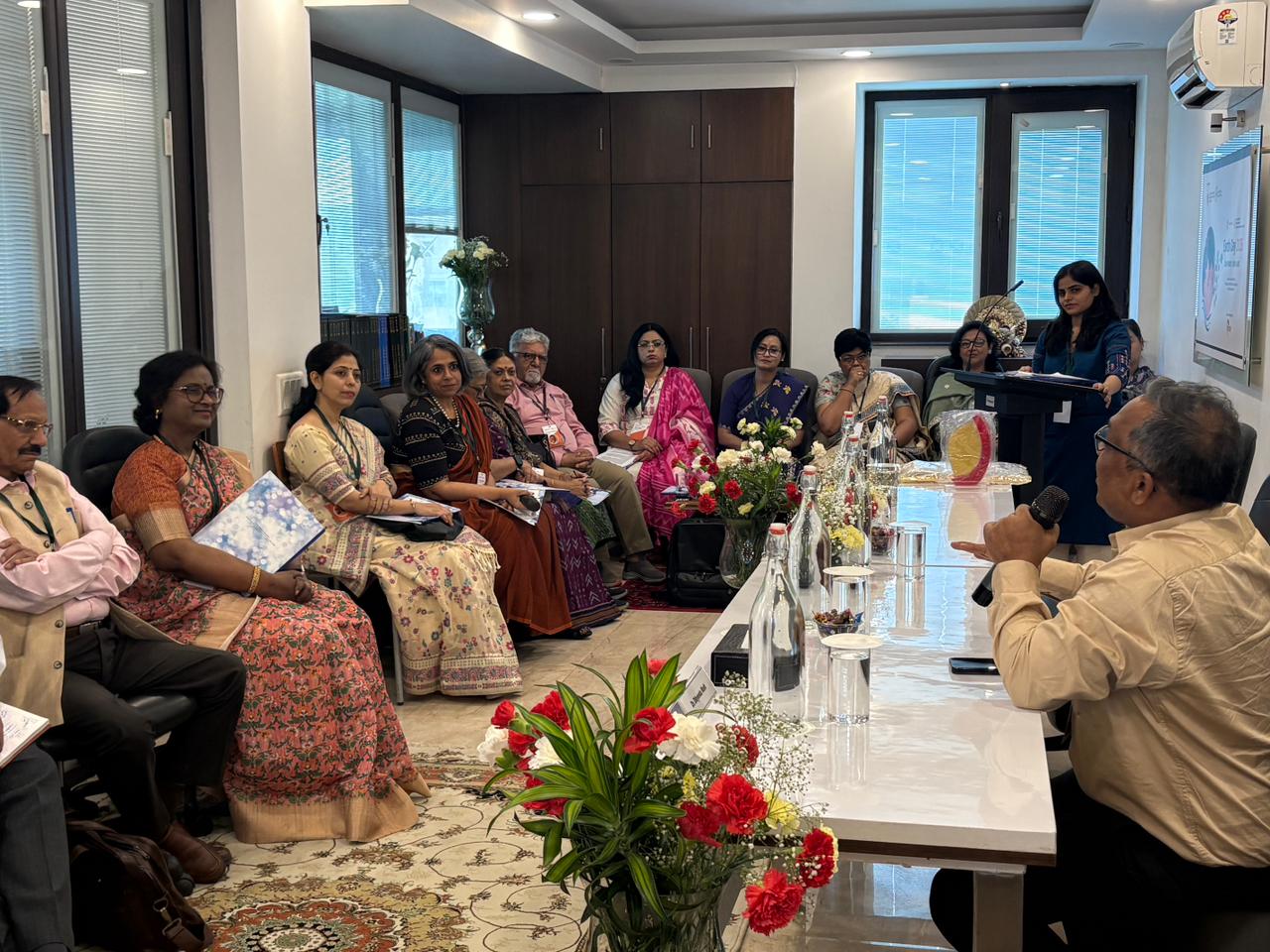
The Plenary Session focused on the economic dimensions of climate change, highlighting the deep interlinkages between growth, inequality, and environmental degradation. Prof. Maiti began by noting that despite decades of environmental movements and global agreements, their effectiveness remains limited due to weak implementation and lack of global consensus. Framing his talk as a "tale of two crises" — economic and environmental — he emphasized that while economies pursue growth, rising temperatures and increasing natural disasters are intensifying environmental stress simultaneously.
During his presentation, he extensively used graphs and figures to illustrate key trends and comparisons. These included visual representations of rising global temperatures over time, particularly showing a sharp increase from the 1980s onward, and comparative trends across regions, including the Indian subcontinent. He also presented graphs linking greenhouse gas emissions and declining forest cover with global warming, along with figures depicting the increasing frequency of natural disasters and their economic consequences.
Prof. Maiti underscored that environmental degradation persists largely due to growth-driven economic systems, where policies often prioritize development over sustainability. He elaborated on the economic costs of climate change, introducing the concept of the Social Cost of Carbon, which has increased substantially in recent years. He further emphasized the need for agricultural transformation, improved productivity, digital integration, and climate adaptation strategies, as well as stronger state participation, increased investment in renewable energy, and promotion of circular economy practices.
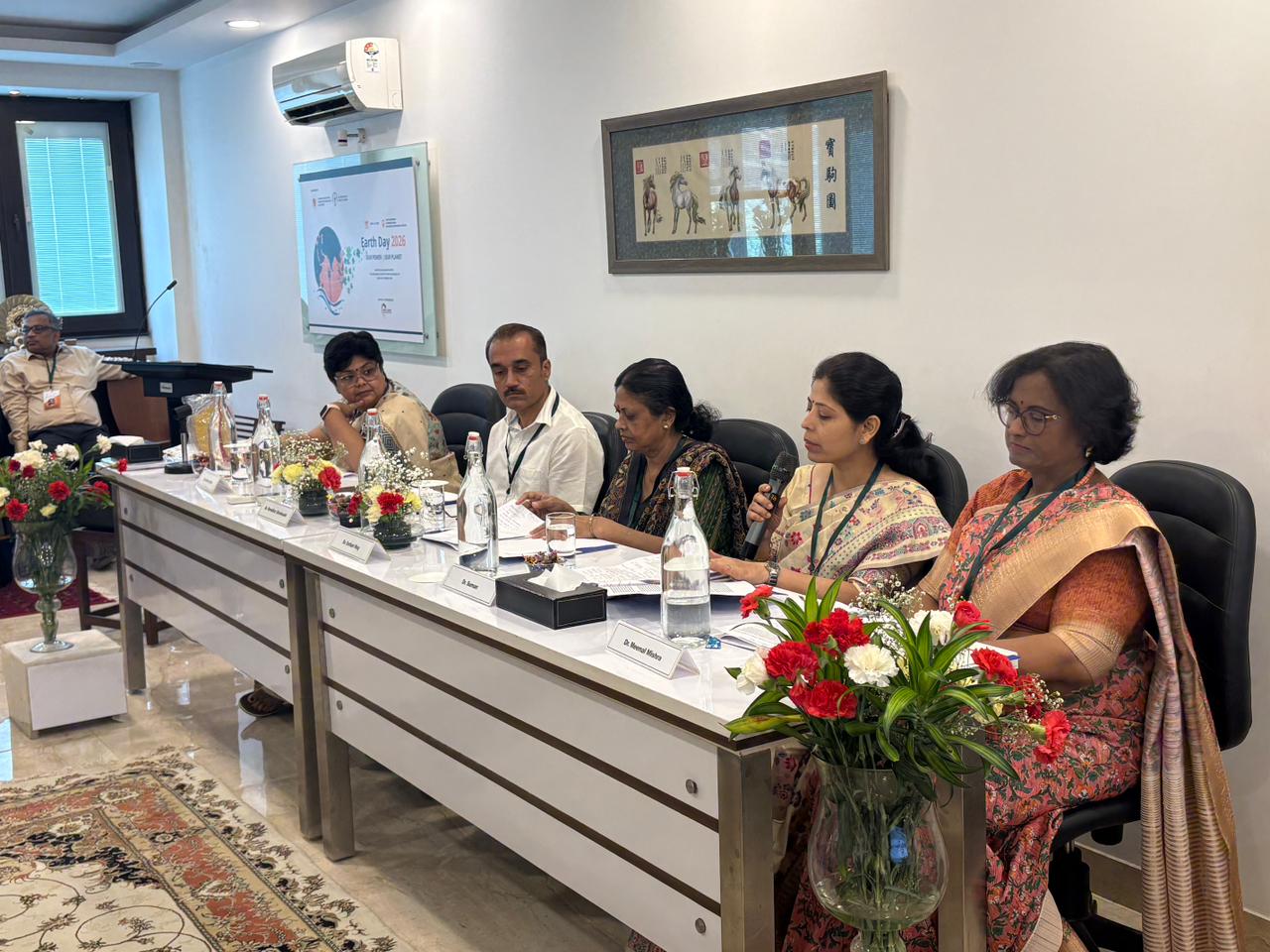
The programme then moved into the panel discussion, coordinated by Dr. Ashima Sakia, Associate Professor, Department of Geology, University of Delhi, who introduced the session and outlined its focus on interdisciplinary perspectives on environmental challenges. The session was chaired by Dr. Meenal Mishra, Professor of Geology, IGNOU. The discussion was framed around the theme "Our Power, Our Planet: Pathways for Sustainable Energy and Environmental Stewardship."

Dr. Suman emphasised that the increasing levels of air pollution and climate change are closely linked to the continued dependence on fossil fuels. She highlighted the urgent need to transition towards renewable energy sources such as solar, wind, hydropower, and geothermal energy. She noted that technological advancements, including developments in carbon capture and its utilisation, along with innovations like solar perovskite cells, are crucial for enabling this transition. She also stressed that research, outreach, and policy must function together, with stronger monitoring mechanisms to ensure effective implementation.

Dr. Sarbari Nag elaborated on the potential and limitations of various renewable energy sources. While solar and wind energy have seen considerable growth, she explained that their availability is site-specific and intermittent. She drew attention to the relatively untapped potential of geothermal energy in India, mentioning that despite identified sites and temperature variations mapped by agencies, large-scale utilisation remains limited. She also discussed the environmental and technical challenges associated with tidal and geothermal energy, including ecological impacts and risks such as induced seismicity. Additionally, she highlighted India's dependence on imported critical minerals like lithium, cobalt, and nickel, which are essential for energy storage technologies, stressing the need for increased exploration and technological alternatives.
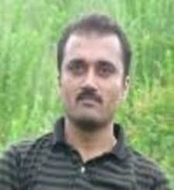
Prof. Benidhar Deshmukh focused on the role of academic institutions in shaping sustainable futures. He highlighted that research and capacity building should be central, but outreach is equally important to bridge the gap between scientific knowledge and public understanding. He stressed the need to communicate research in accessible formats so that it can influence societal behaviour and decision-making. He also introduced geoinformatics and remote sensing as transformative tools that enable better environmental monitoring, resource mapping, and informed policy planning by visualising complex spatial data that is otherwise not easily perceptible.

Dr. Ashima Saikia framed the discussion by emphasising the urgency of addressing environmental challenges through an integrated approach combining scientific inquiry, informed policymaking, and collective societal responsibility. She highlighted that the theme reflects both reflection and action — where "our power" represents individual and collective choices, while "our planet" signifies what is at stake. Throughout the session, she raised critical questions regarding the effectiveness of existing policies, the gap between awareness and action, and whether academic and public discussions translate into tangible outcomes. She also underscored the importance of interdisciplinary dialogue and encouraged participants to reflect on actionable pathways rather than remaining at the level of discourse.

Dr. Meenal Mishra provided overarching guidance and synthesis to the discussion. She emphasised the importance of aligning scientific knowledge with ethical responsibility, noting that environmental sustainability ultimately depends on the values individuals adopt. She highlighted environmental ethics as a crucial dimension, suggesting that responsible decision-making — such as mindful consumption and restraint in exploiting natural resources — can significantly influence long-term outcomes. She also acknowledged the concerns raised regarding institutional limitations, including restricted academic autonomy and gaps in curriculum development, while stressing the need for strengthening foundational education, particularly in earth sciences. In her concluding observations, she reiterated that awareness, when instilled early and supported by ethical grounding, can lead to meaningful and sustained behavioural change.
The discussion further explored the disconnect between research, policy, and implementation. It was observed that despite extensive research and policy frameworks, their translation into actionable outcomes on the ground remains limited. Concerns were raised about gaps in governance structures, limited academic autonomy, and institutional constraints that restrict innovation and effective contribution from universities.
A significant portion of the discussion addressed education and awareness gaps, particularly the limited presence of geology and earth sciences in school curricula. It was noted that students often lack basic understanding of natural resources, their origins, and their role in everyday life. The need to introduce geology at earlier stages of education was emphasised as essential for building environmental awareness and responsible resource use. Panelists suggested that even small initiatives, such as community-level engagement and informal education efforts, could contribute to bridging this gap.
The role of community engagement and behavioural change was repeatedly underscored. It was highlighted that awareness alone is insufficient unless it leads to tangible actions. Suggestions included promoting less energy-intensive lifestyles, encouraging responsible consumption patterns, and fostering grassroots-level participation in sustainability efforts.
The discussion also brought in a broader perspective on environmental ethics, emphasising that long-term sustainability depends not only on technology and policy but also on individual and collective responsibility. The idea of consciously limiting resource exploitation and adopting ethical approaches to development was presented as a necessary shift for achieving meaningful environmental stewardship.
Additionally, participants discussed the importance of strengthening academia–industry and academia–government linkages, suggesting mechanisms such as internships, collaborative research, and institutional partnerships to ensure that academic work contributes more directly to real-world applications.
Overall, the panel discussion provided a multidimensional understanding of sustainable energy transitions, highlighting the interconnected roles of technology, policy, education, and societal behaviour. It emphasised that achieving sustainability requires coordinated efforts across institutions, stronger integration of research with implementation, and a shift towards informed and responsible decision-making at both individual and systemic levels.
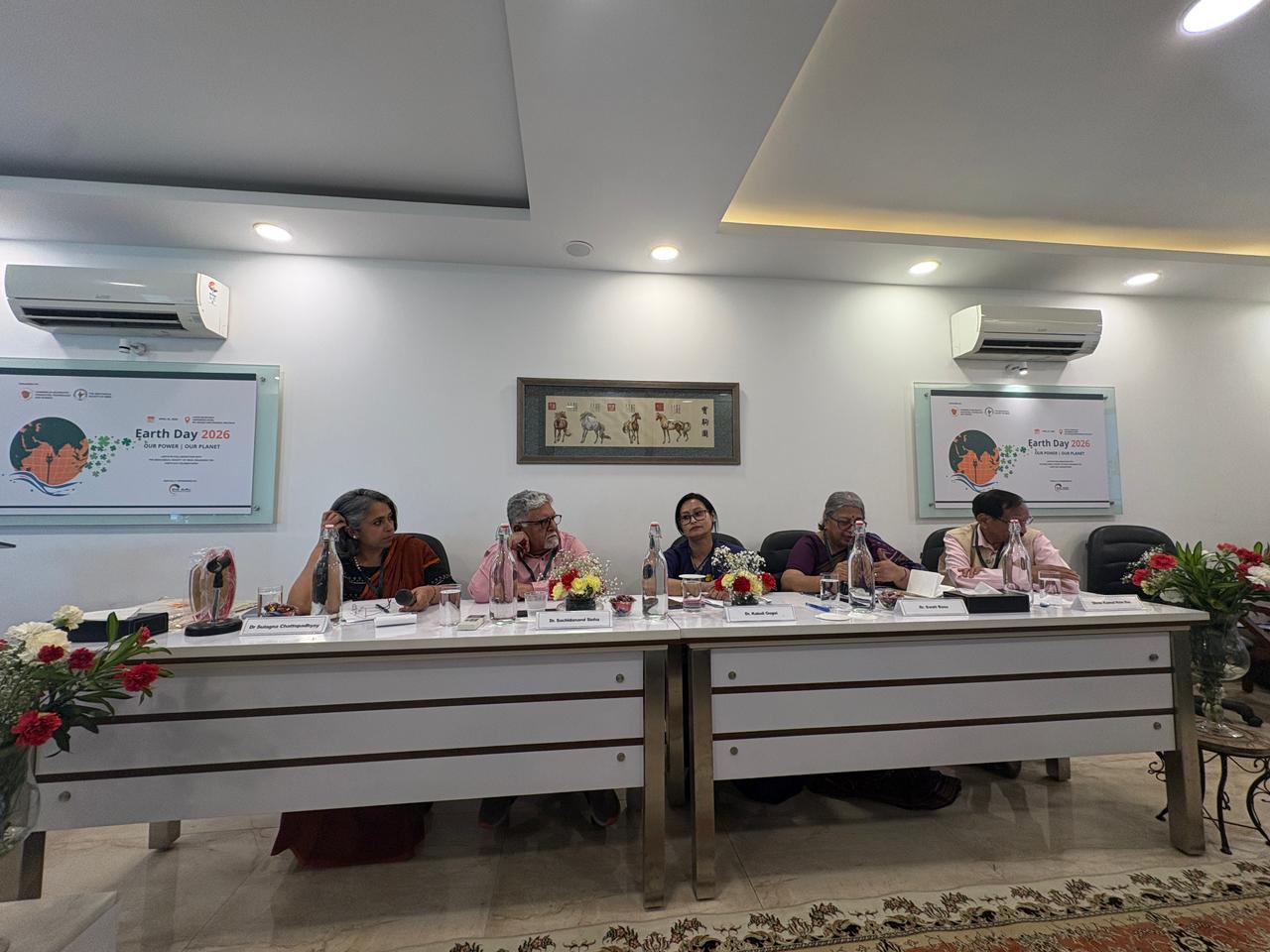
Following the panel discussion, the event transitioned into a moderated session moderated by Dr. Sulagna Chattopadhyay, Secretary General, LIGHTS. The session focused on rethinking energy production and consumption in the context of intensifying environmental challenges, while emphasizing the need for sustainable practices at individual, institutional, and policy levels.

Dr. Chattopadhyay set the tone by highlighting the deep interconnections between energy systems and climate change, stressing the urgency for informed and forward-looking interventions. The session featured diverse scientific, technical, and socio-economic perspectives, making the discussion highly interdisciplinary and comprehensive. It emphasized the urgent need for sustainable and efficient energy practices, alongside greater responsibility at individual, institutional, and policy levels.

Dr. Swati Basu initiated the discussion by establishing the intrinsic relationship between energy systems and climate change. She highlighted that more than 75% of global greenhouse gas emissions originate from the energy sector due to the burning of fossil fuels such as coal, oil, and natural gas. She further explained the existence of a feedback loop, where rising temperatures increase the demand for cooling, thereby raising energy consumption and further intensifying climate change. Drawing attention to India's context, she noted that the country has already experienced a warming of approximately 0.7°C between 1901 and 2018, with projections indicating a possible rise of up to 4.4°C by the end of the century. The Himalayan region, described as the "Third Pole," is particularly vulnerable, warming at nearly twice the global rate. Glacier melt, she explained, may initially increase river flows but will eventually lead to long-term water scarcity, affecting drinking water, river systems, and hydropower potential.
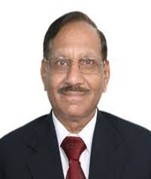
Building on the Himalayan context, Shri Kamal Nain Rai provided a practitioner's perspective on infrastructure development and its environmental implications. Reflecting on his extensive experience, he acknowledged that conventional infrastructure practices, particularly road construction in mountainous regions, often result in ecological degradation, slope destabilization, and frequent landslides. He pointed out the growing gap between research and on-ground implementation, where environmental knowledge is often not translated into practice. He also raised concerns about rising energy consumption driven by changing lifestyles, citing the widespread adoption of air conditioning as an example of increasing energy demand. He presented alternative approaches, advocating for engineering solutions that minimize ecological damage, including construction of tunnels such as the Zojila tunnel, cut-and-cover tunnel techniques, and the adoption of ropeways to limit road expansion.

Dr. Sachidanand Sinha introduced a socio-political perspective by questioning the widely used term "anthropogenic" climate change. He argued that environmental degradation is not caused uniformly by all humans but disproportionately by a small, high-consuming segment of the global population. He raised fundamental questions about the meaning of sustainability, asking "sustainability for whom," and highlighted that current development models tend to prioritize elite and corporate interests over grassroots realities. He further pointed out that existing climate data and models often fail to capture lived experiences, such as extreme heat exposure faced by street vendors and informal workers. Bringing attention to the issue of environmental refugees, he noted the absence of adequate data, policy frameworks, and legal recognition at both national and international levels. He called for a rethinking of development itself, advocating for decentralized, community-driven approaches and a redefinition of efficiency beyond conventional cost-return metrics.

Dr. Kakoli Gogoi concluded this segment by focusing on the environmental challenges associated with coal mining in Northeast India, particularly in Assam and Meghalaya. She highlighted that the region is geologically fragile and that prevalent practices such as rat-hole mining, though economically beneficial for local communities, are scientifically unsustainable and environmentally damaging. Despite being banned by the National Green Tribunal in 2014, such practices continue illegally, leading to severe consequences. She elaborated on the issue of acid mine drainage, which results in water contamination and has adversely affected rivers such as the Lukha River. The ecological impact extends to biodiversity loss in a region recognized as a global hotspot. Dr. Gogoi emphasized the need for transitioning towards scientific and regulated mining practices, strengthening environmental governance, and gradually reducing dependence on coal while promoting cleaner energy alternatives.
Overall, the session underscored that addressing energy and environmental challenges requires an integrated approach that combines scientific understanding, sustainable infrastructure practices, social equity, and effective policy implementation.
The event concluded at 2:00 PM, followed by lunch.